Christchurch homeowners tend to notice roofing problems only when something goes wrong. A stain on the ceiling. A damp smell after heavy rain. A sudden spike in repair costs. Yet most roofing challenges don’t begin with obvious failure. They develop quietly, shaped by local conditions, ageing materials, and earlier decisions that seemed reasonable at the time.
In 2026, several patterns continue to show up across Christchurch homes. Understanding these challenges early helps owners respond before minor issues become expensive disruptions.
Moisture intrusion that doesn’t follow obvious paths
One of the most common roofing challenges reported by homeowners is persistent moisture that appears far from the original entry point. Water rarely drips straight down. It tracks along fixings, laps, insulation, and framing before revealing itself indoors.
In Christchurch, wind-driven rain exacerbates this behaviour. Even well-installed roofs can develop vulnerabilities around flashings, valleys, and penetrations as materials age. The challenge isn’t simply stopping a leak. It’s identifying how water is moving through the system.
Accelerated corrosion in exposed areas
Metal roofing remains common across the region, but corrosion continues to be a leading issue. Coastal influence, airborne moisture, and temperature variation all contribute to gradual material breakdown.
Homeowners often assume corrosion is cosmetic until fixings weaken or protective coatings fail. By that stage, targeted repairs may no longer be sufficient. What begins as surface degradation can undermine structural reliability if left unmanaged.
Aging roofs reaching decision thresholds
A large proportion of Christchurch housing stock is now approaching critical age points for roofing systems. Roofs that have performed adequately for decades may no longer tolerate patch repairs.
This creates a decision challenge rather than a technical one. Should owners repair again, or is replacement the more economical long-term option? Without clear guidance, many delay action, increasing the risk of internal damage and higher future costs.
Inconsistent repair history creating weak points
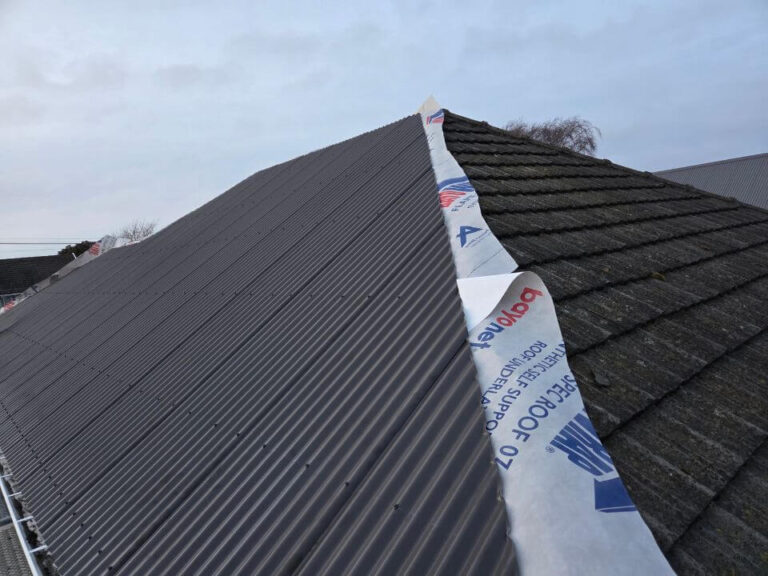
Another frequent issue involves roofs that have undergone multiple small repairs over time. Each intervention may have addressed a symptom without resolving the underlying cause.
These layered fixes can introduce incompatibilities between materials or create new stress points. When failures recur, it’s often because earlier repairs masked, rather than solved, systemic issues.
Drainage inefficiencies during heavy rainfall
Blocked or poorly designed drainage remains a recurring problem. Gutters, downpipes, and internal drainage points are often overlooked until overflow occurs.
Increased rainfall intensity exposes these weaknesses quickly. Water backing up onto roofing surfaces accelerates wear and raises the likelihood of ingress at junctions not designed to handle standing water.
Compliance gaps in older homes
Older Christchurch homes may technically function while falling short of modern expectations around performance and safety. Roofing systems installed under previous standards can struggle to meet current durability and weather-tightness requirements.
Guidance from the New Zealand Ministry of Business, Innovation and Employment highlights the importance of maintaining building elements to ensure long-term performance and occupant safety Ministry of Business, Innovation and Employment. The challenge for homeowners is recognising when compliance considerations should influence repair or replacement decisions.
Why local expertise matters
These challenges are rarely solved by generic solutions. Local building styles, material choices, and exposure conditions all shape outcomes. This is why homeowners often seek input from experienced providers such as Huston Cross, who understand how Christchurch-specific factors influence roof performance over time.
Across the city, roofing companies christchurch homeowners rely on are increasingly focused on diagnosing root causes rather than repeating surface-level fixes. This shift reflects a growing awareness that prevention and planning reduce long-term cost far more effectively than reactive repair.
Turning challenges into manageable decisions
The most successful homeowners treat roofing challenges as part of ongoing property stewardship, not one-off crises. Regular assessments, clear documentation of past work, and early engagement when issues first appear all reduce uncertainty.
Importantly, asking the right questions matters. How old is the roof system? Which components are most exposed? What failures are likely in the next five years if nothing changes? These considerations help owners move from reaction to strategy.
For those wanting a clearer understanding of how professional roofing teams approach these challenges, this local roofing company resource provides insight into assessment and planning practices relevant to Christchurch homes.
Final thoughts
Roofing challenges in Christchurch rarely stem from a single dramatic event. They emerge through time, exposure, and accumulated assumptions. In 2026, homeowners who recognise common patterns early place themselves in a stronger position to protect both their property and their budget.
Addressing roofing issues before they escalate isn’t about overreacting. It’s about understanding how local conditions shape risk and responding with informed, timely decisions.